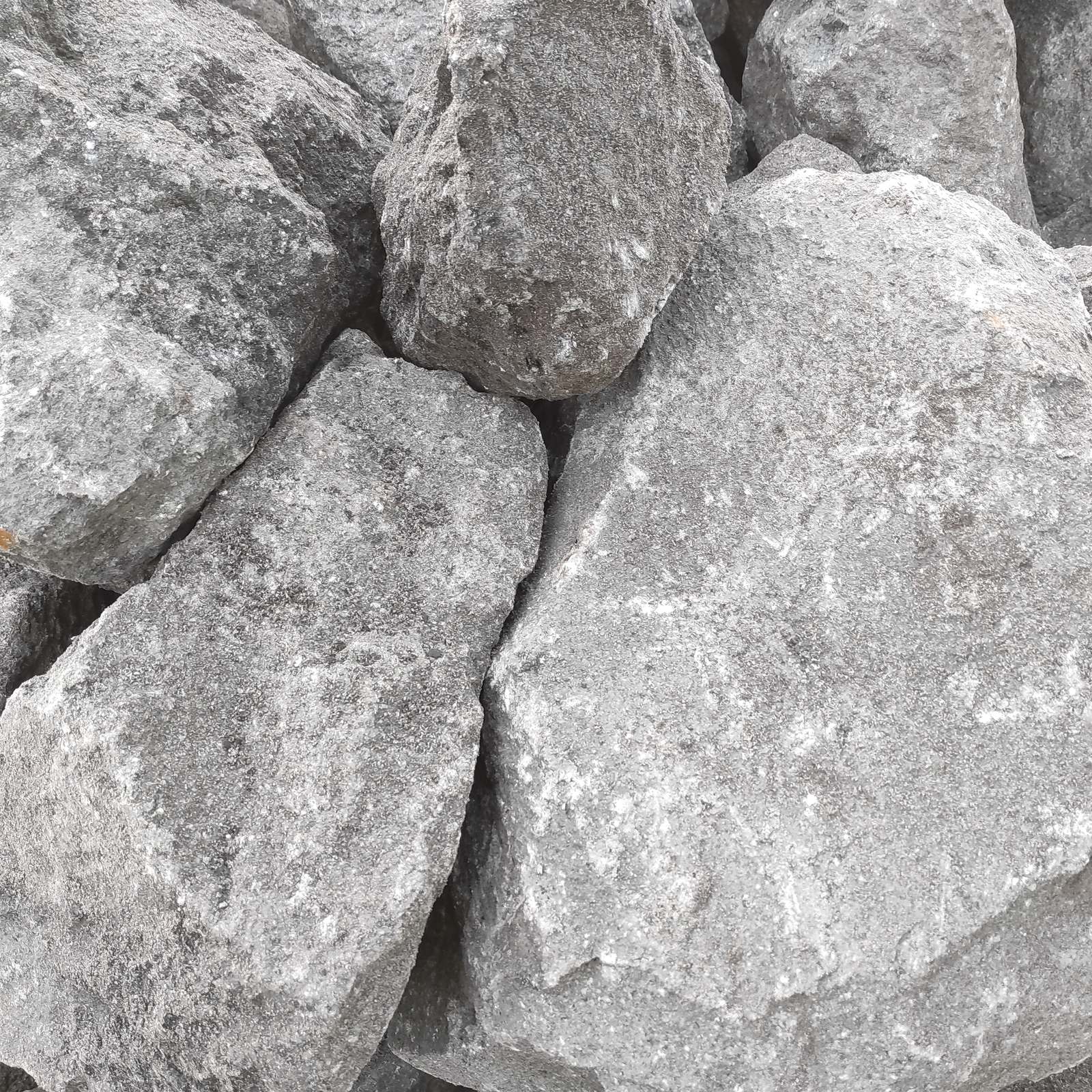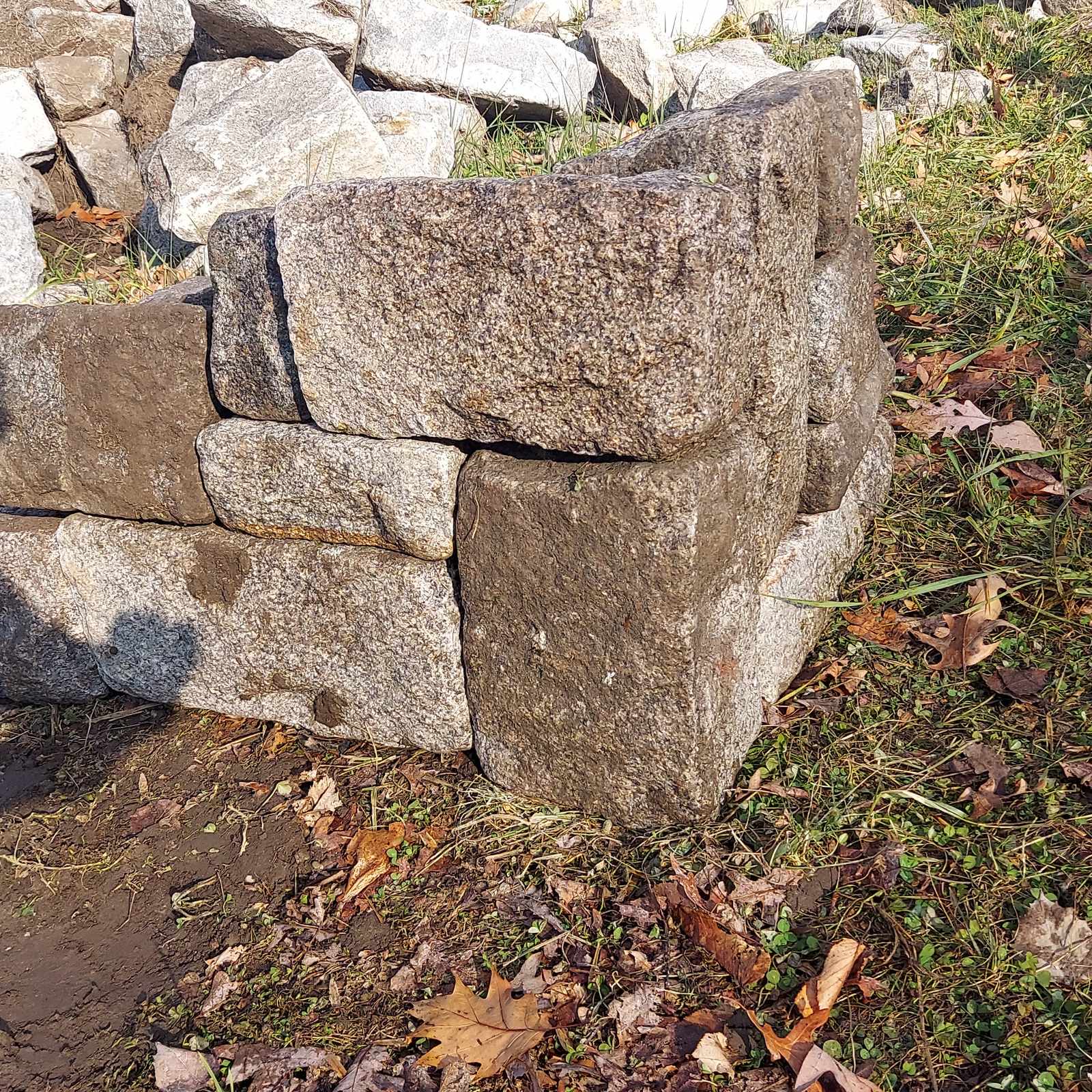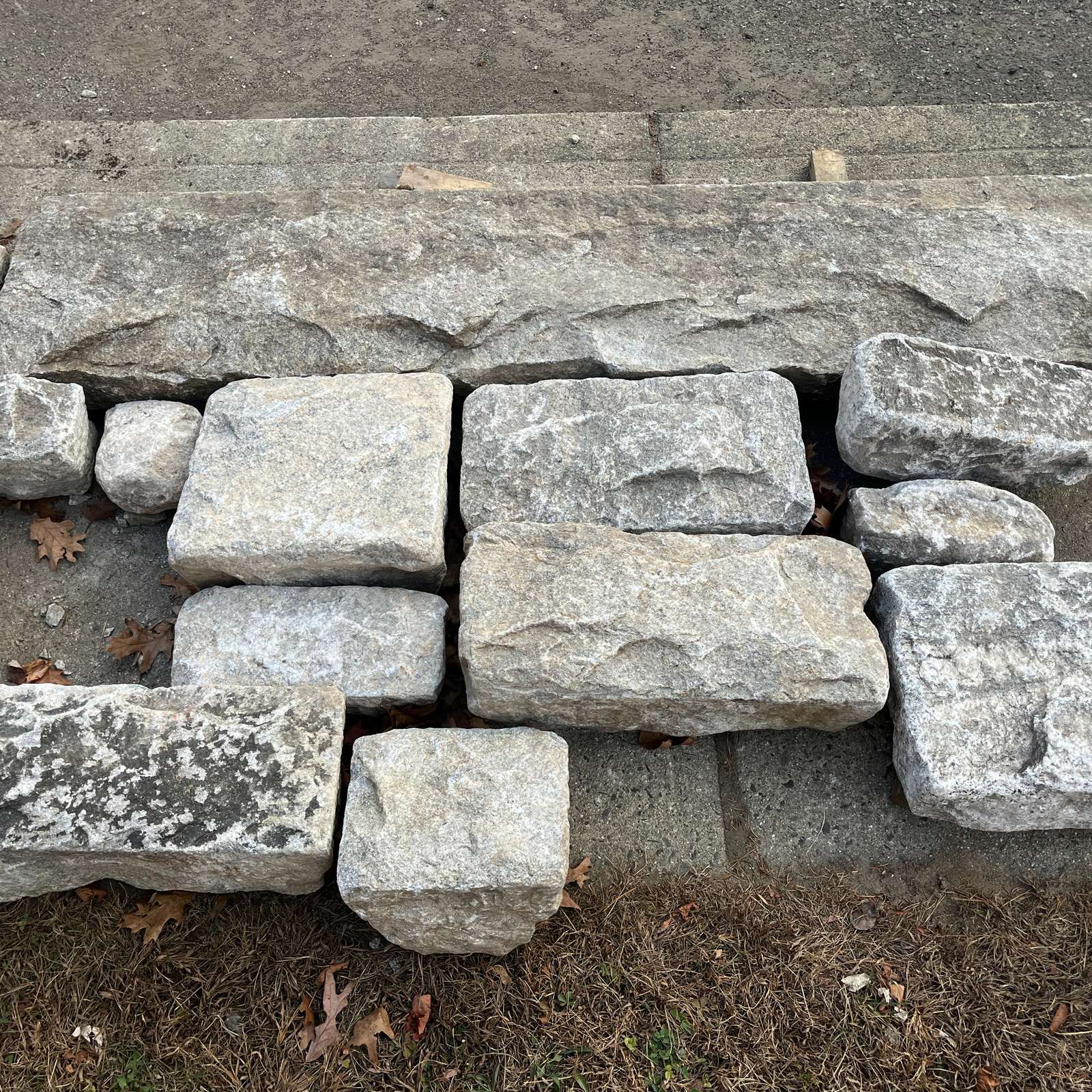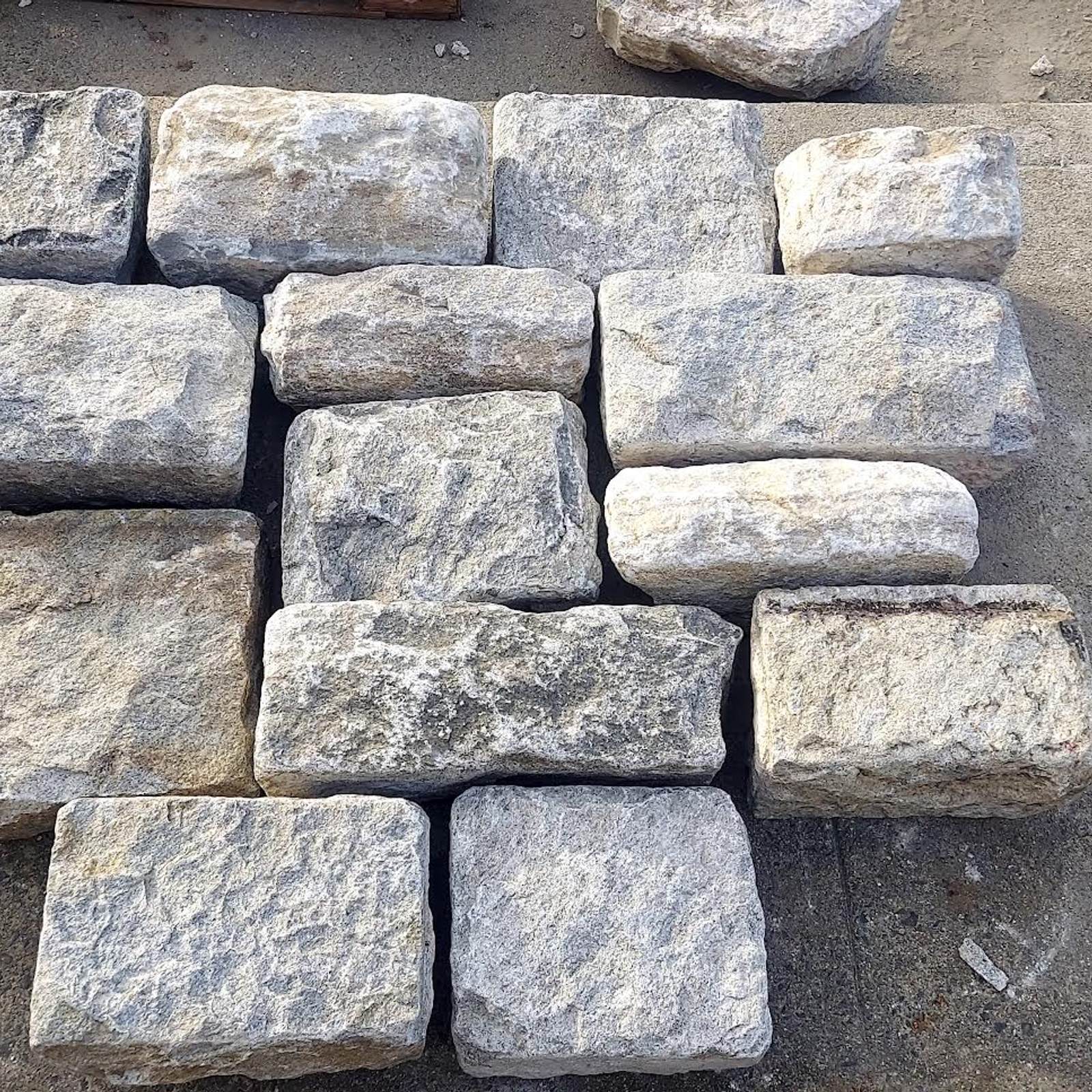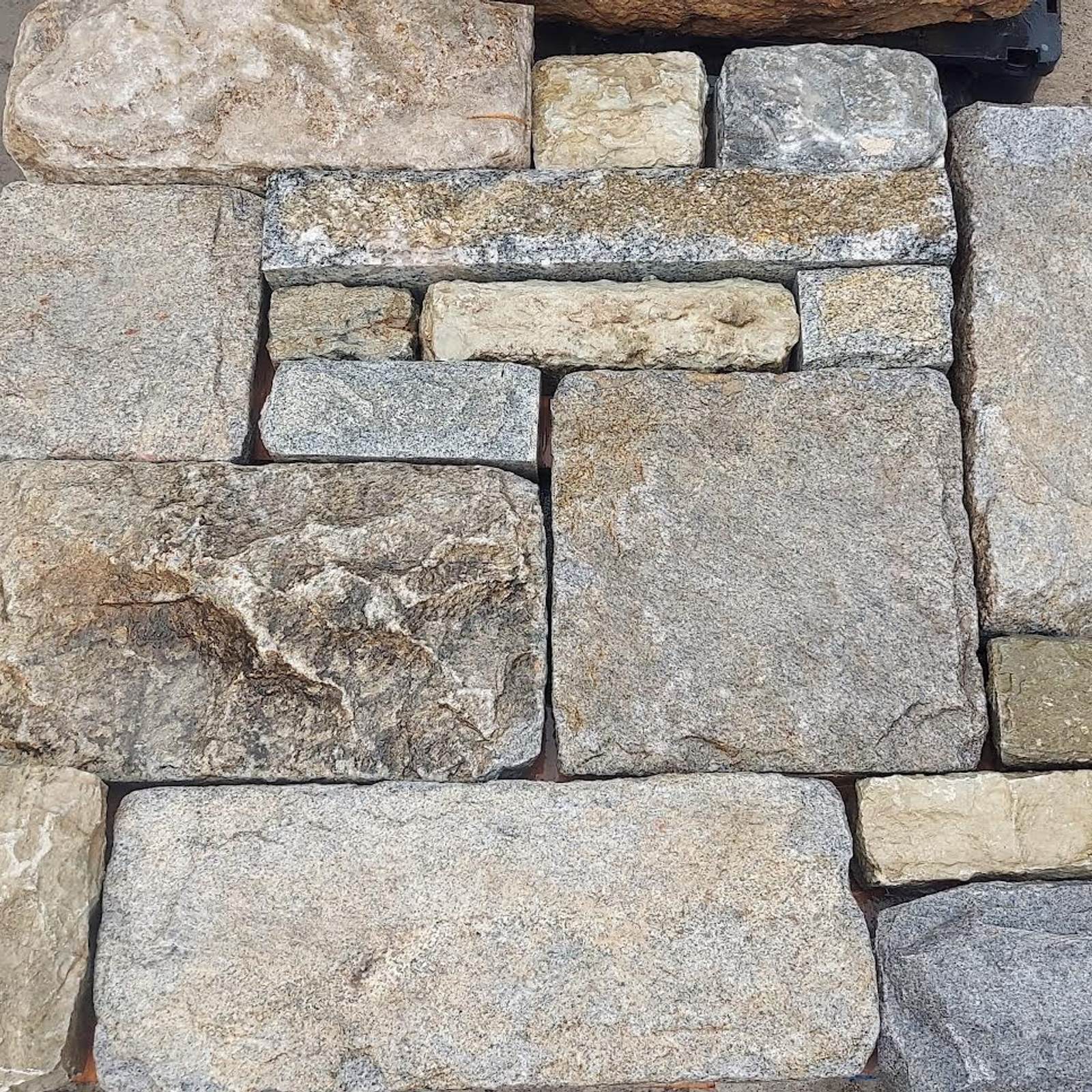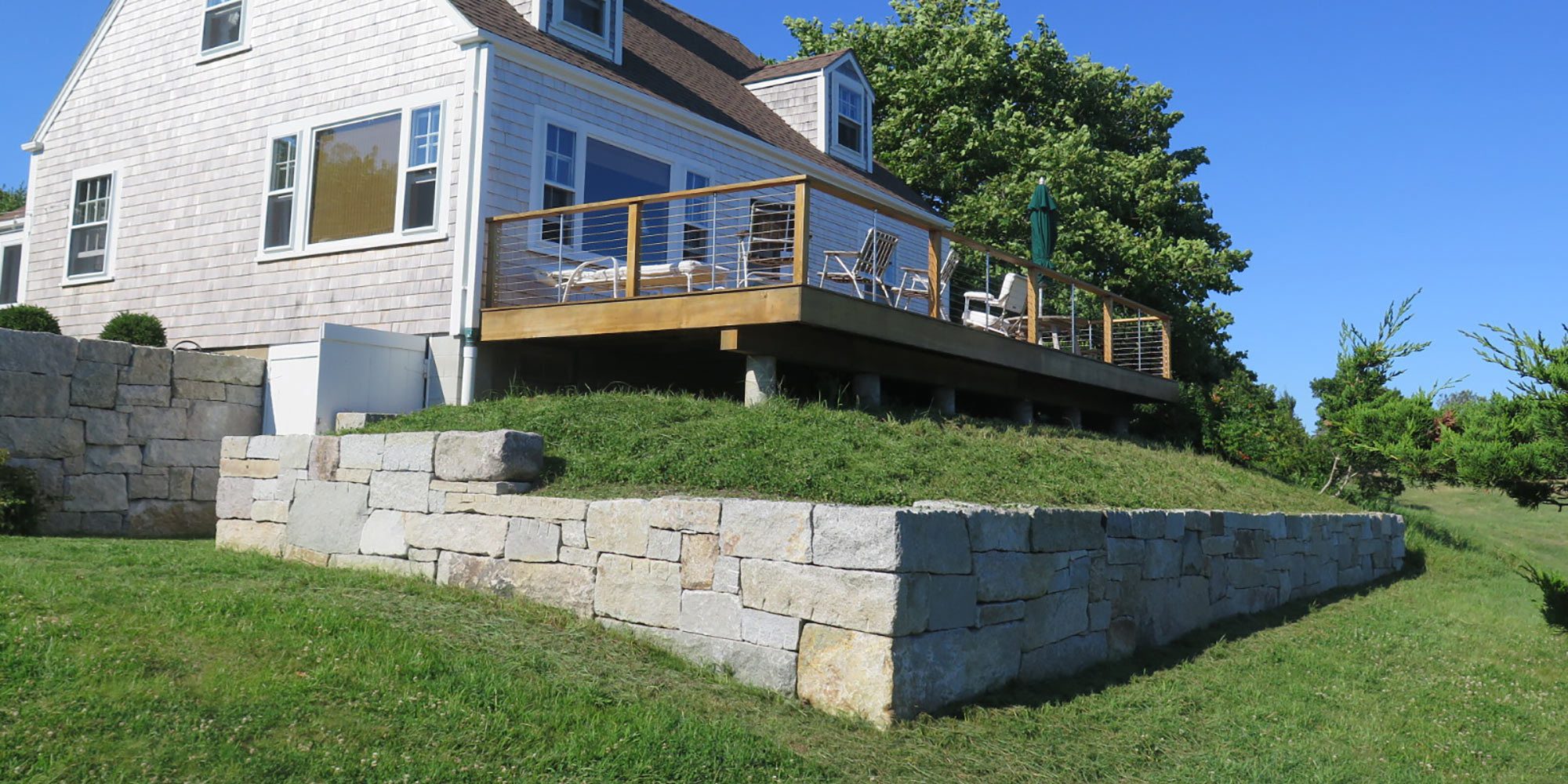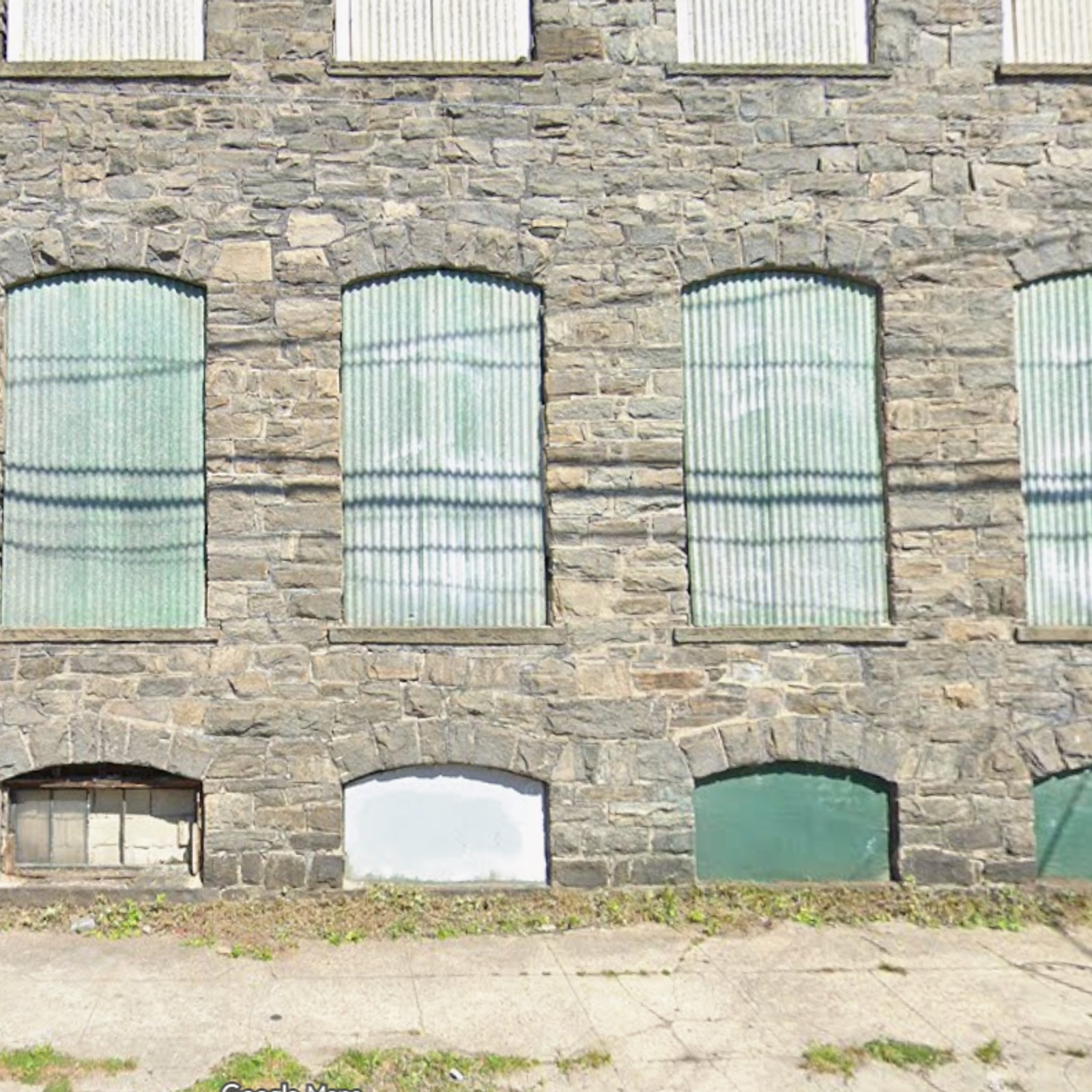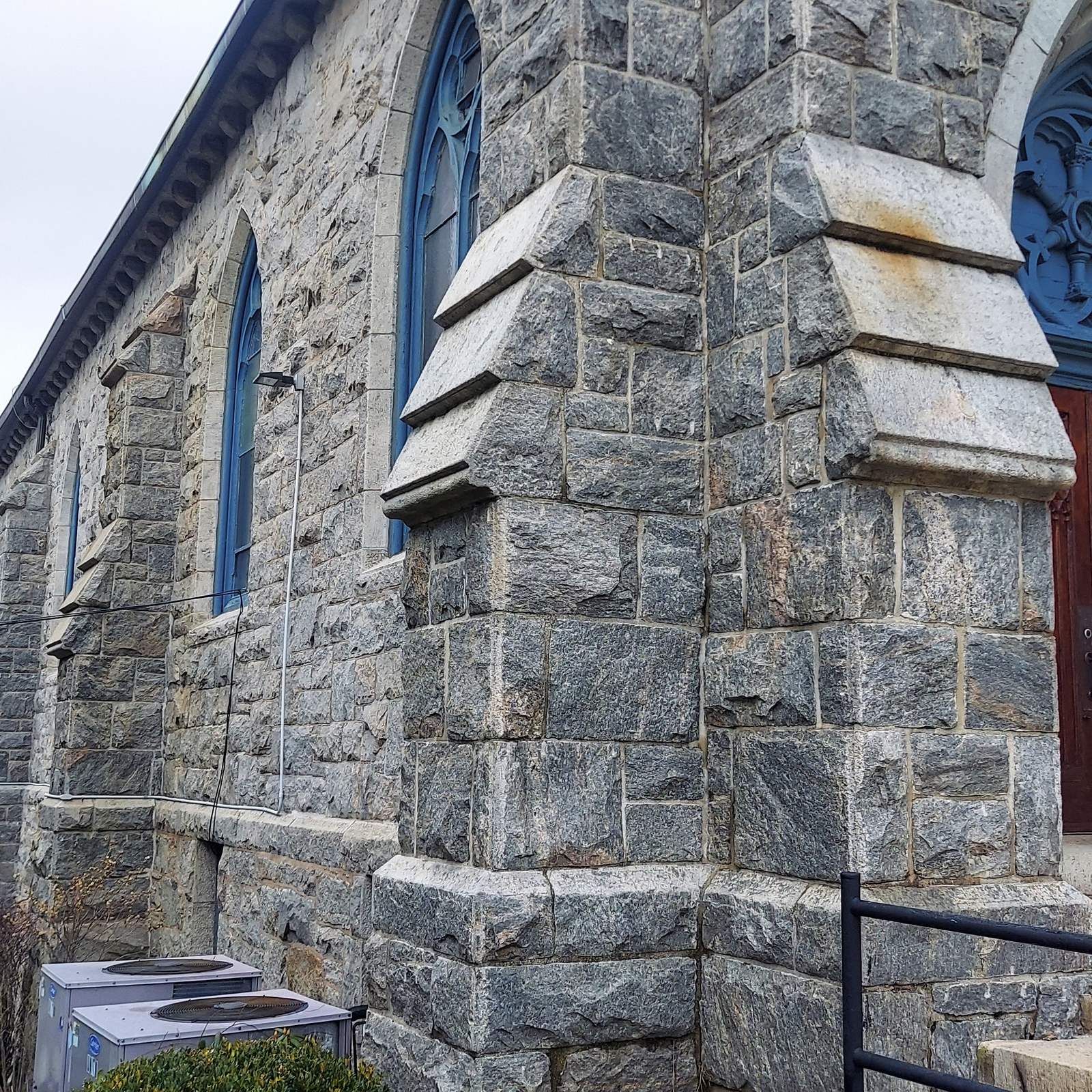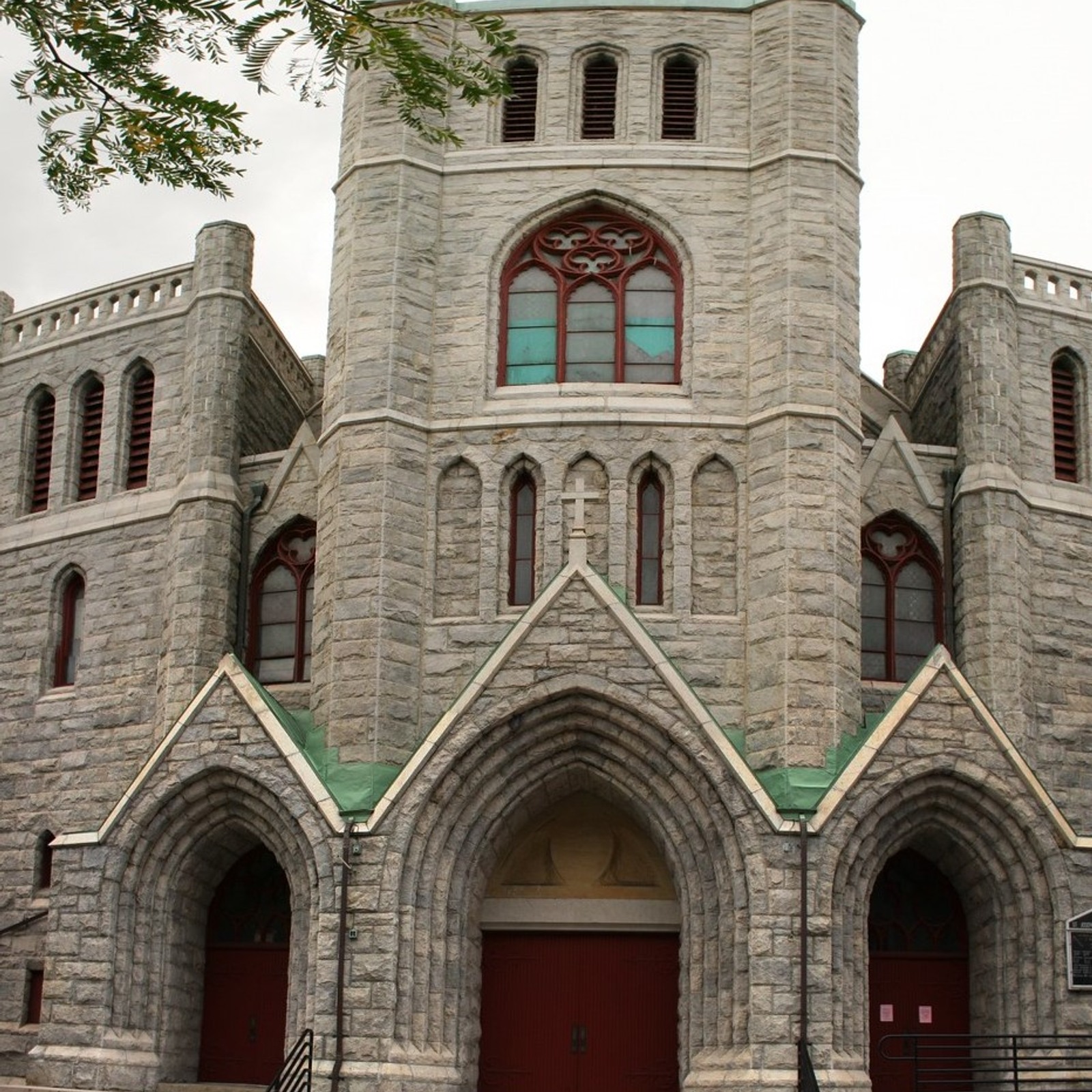
While modern stone veneer is newly quarried and freshly fabricated, our reclaimed stone veneer is salvaged from historic homes, churches, civic buildings and more. We scour the country in search of buildings which have fallen victim to time and circumstance. It’s usually the same, unfortunate story – disrepair, too costly to renovate, abandoned, and finally, set for demolition. Each load of antique stone veneer we bring into yard has a rich story. We salvage it with the hope that those stories will live on in new homes rather than ending in landfills.
Stone veneer can mean different shapes and varying lengths and widths. But it’s the stone’s thickness that determines how it’s categorized.
• The building stones we reclaim can be as thick as 18′.
• Due to their weight and depth, it’s unlikely they will be reused as is.
• But they can be split or sawn to full-bed or thin veneer depth.
• Durable, weather-resistant, provides good insulation.
• Most commonly used for exterior walls.
• Still heavy enough to require an anchoring or shelving system for installation.
• Can usually be installed with a regular mortar bed.
• More commonly used for interior projects, like accent walls and fireplaces surrounds.
• Lower masonry, installation and shipping fees often make it a more affordable option.
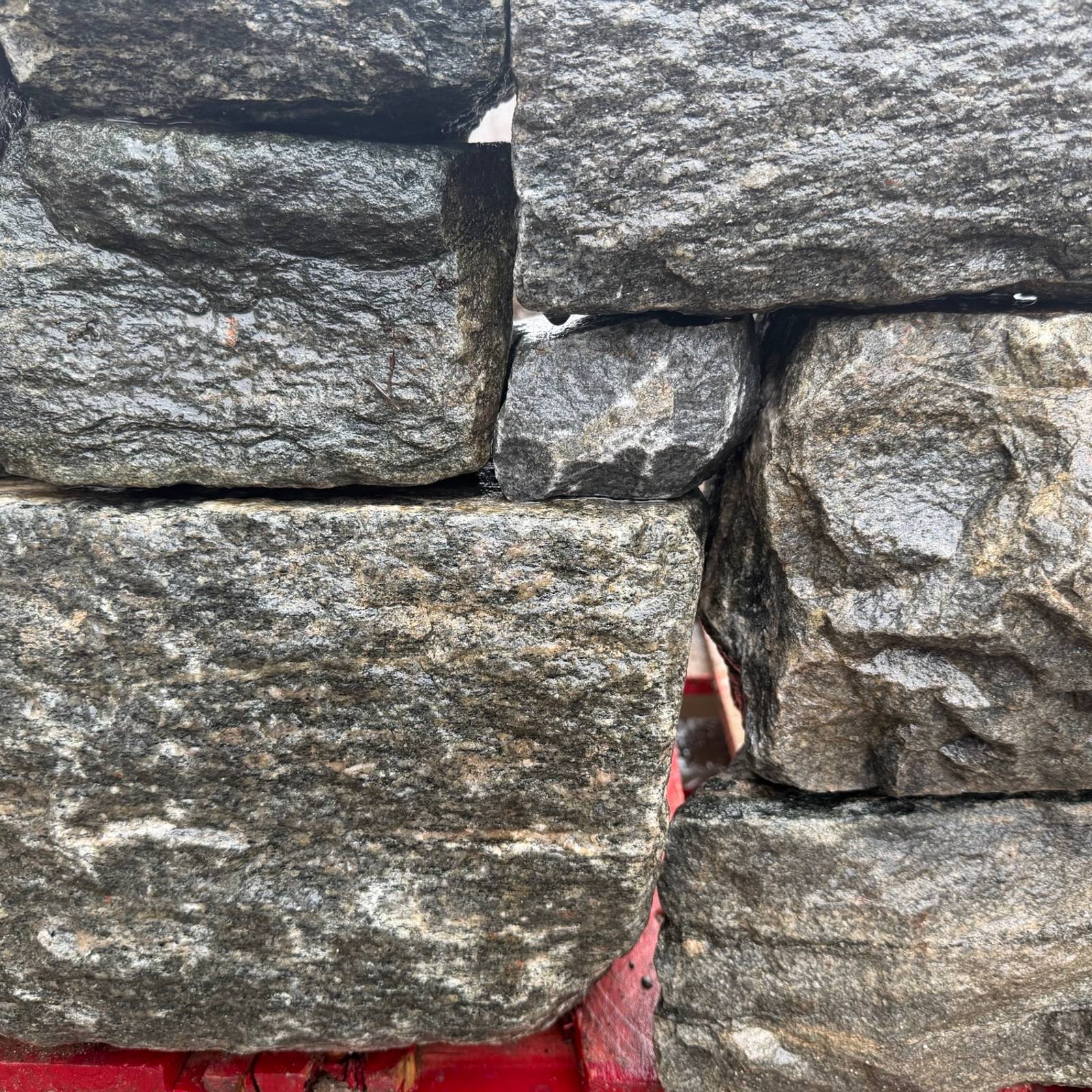
From New England granite’s salt and pepper and pale pinks, to New York limestone’s subtle hints of blue and brown, to the creamy whites of fresh marble, newly quarried stone’s colors are determined by how and where it was formed. But decades of exposure and wear produce changes which can’t be duplicated:
• Oxidation – minerals in the stone react with oxygen in the air or rainwater, resulting in color changes such as streaks of rust.
• Patina – water acidity, evaporation, and organisms like algae, moss, lichen produce layers of film on stone over time. These patinas can vary, but common colors range from greens and yellows to browns.
• Surface Wear – years of environmental exposure – wind abrasion, freeze cycles, mineral migration – produce changes in texture and tone.
• Singularity – all of these factors affect each stone differently, making it quite literally one of a kind. Modern processes which try to create an “aged” look can never replicate the singularity of each reclaimed stone.
A visitor to the Stone Farm yard will see a variety of mock-ups throughout the property. It’s a great way to show customers what’s possible. This is particularly true with stone veneer, where a mock-up might blend together several different types of stone.


In these reclaimed stone veneer mock-ups, you’ll find granite blended with marble and limestone, as well as curbing and cobblestones mixed with different church stones.
We’re always experimenting with the various stones we salvage, looking for unique combinations that may suit a particular project.
As antique stone veneer projects develop beyond the phase of choosing material, mock-ups are still extremely useful.
Building a mockup at the project site informs how color, stonework, mortar, etc. appear in that particular environment. This could be quite different than the same mock-up built in another location.
It is not exceptionally hard to care for, but there are best practices unique to this material:
Yes – it’s already stood the test of time. When properly installed and maintained, reclaimed stone veneer is one of the few materials that tends to look better, not worse, over time!
Our team can help you select the perfect stones for driveways, walkways, patios, facades, and landscape designs. Whether you’re restoring historic character or creating something truly unique, we’ll guide you every step of the way.