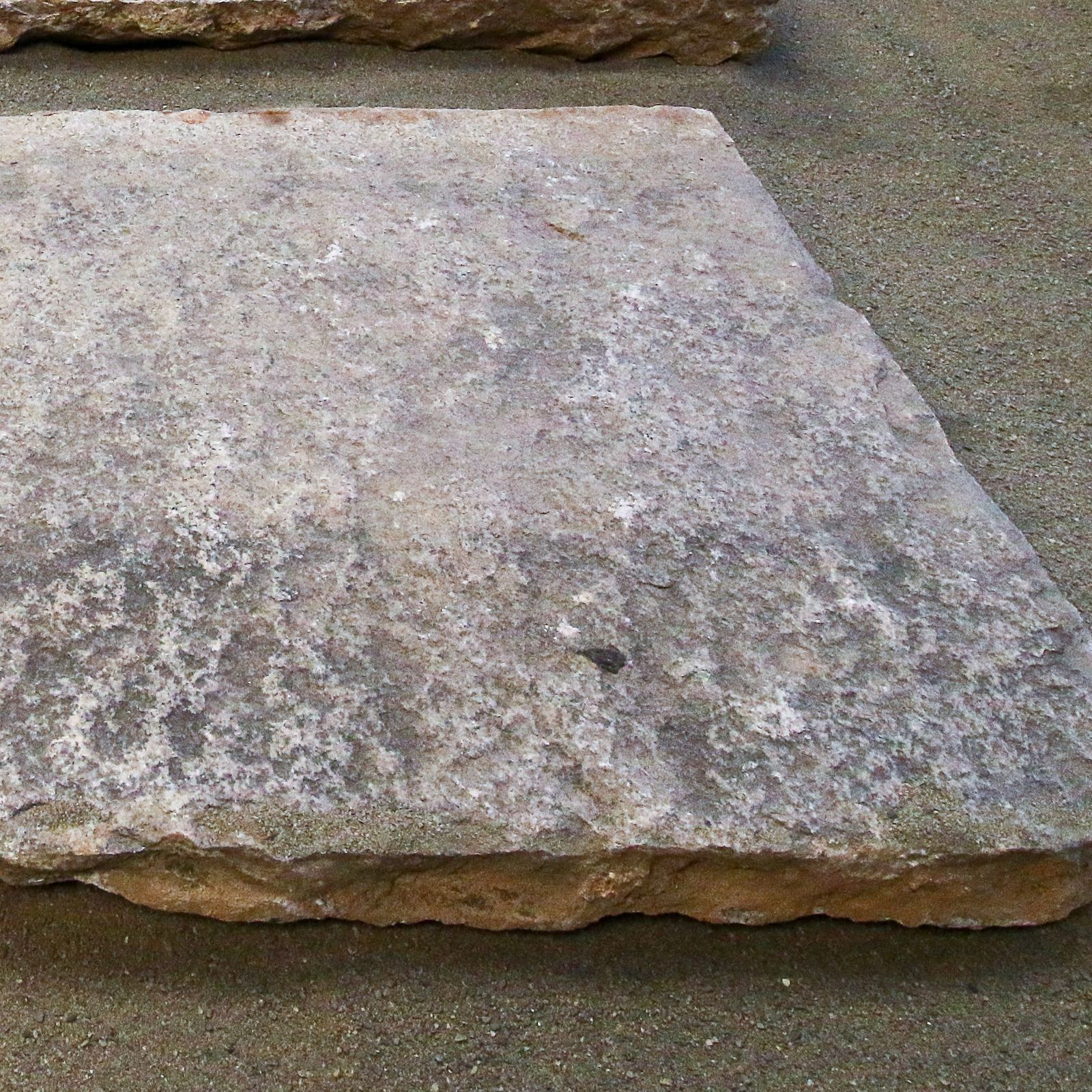
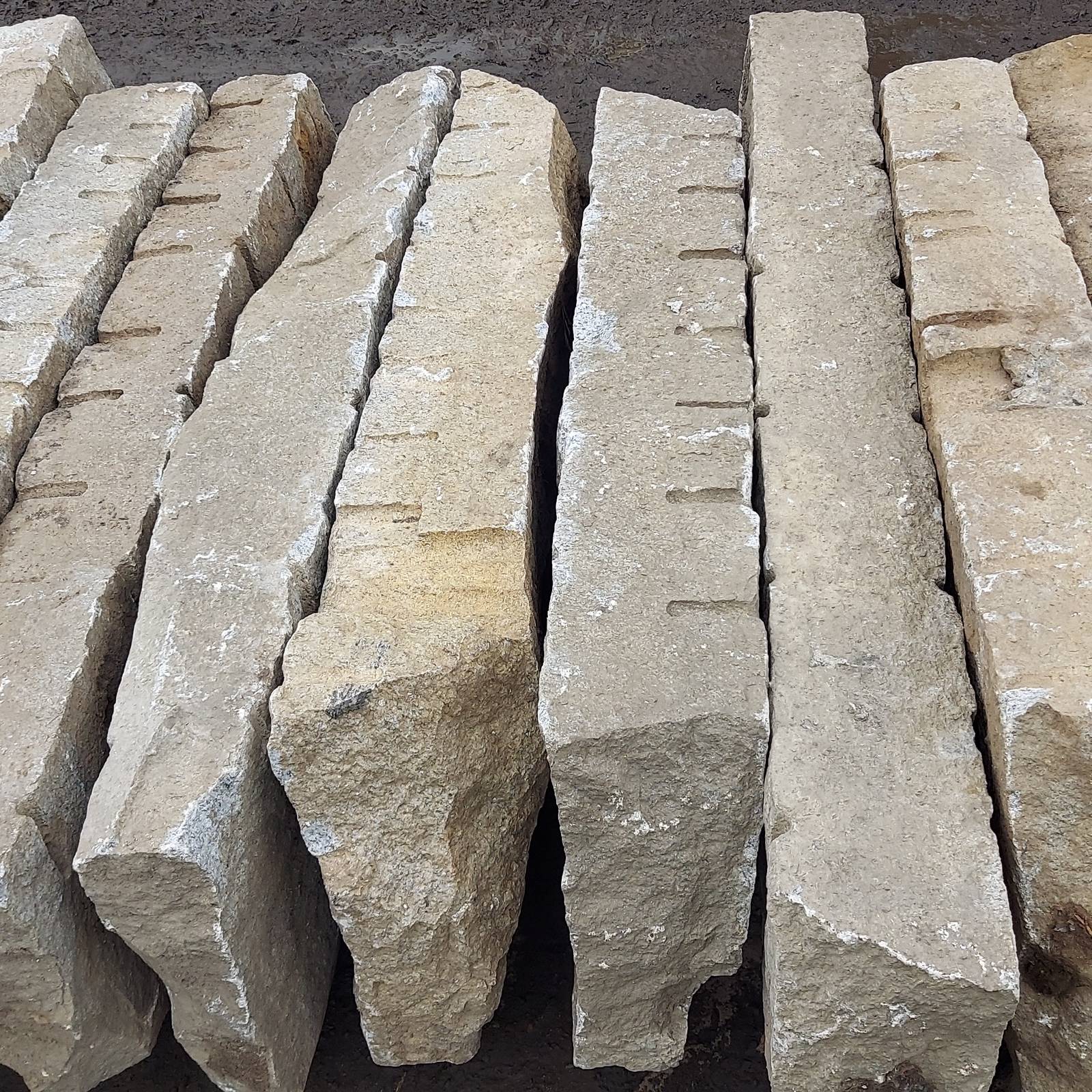
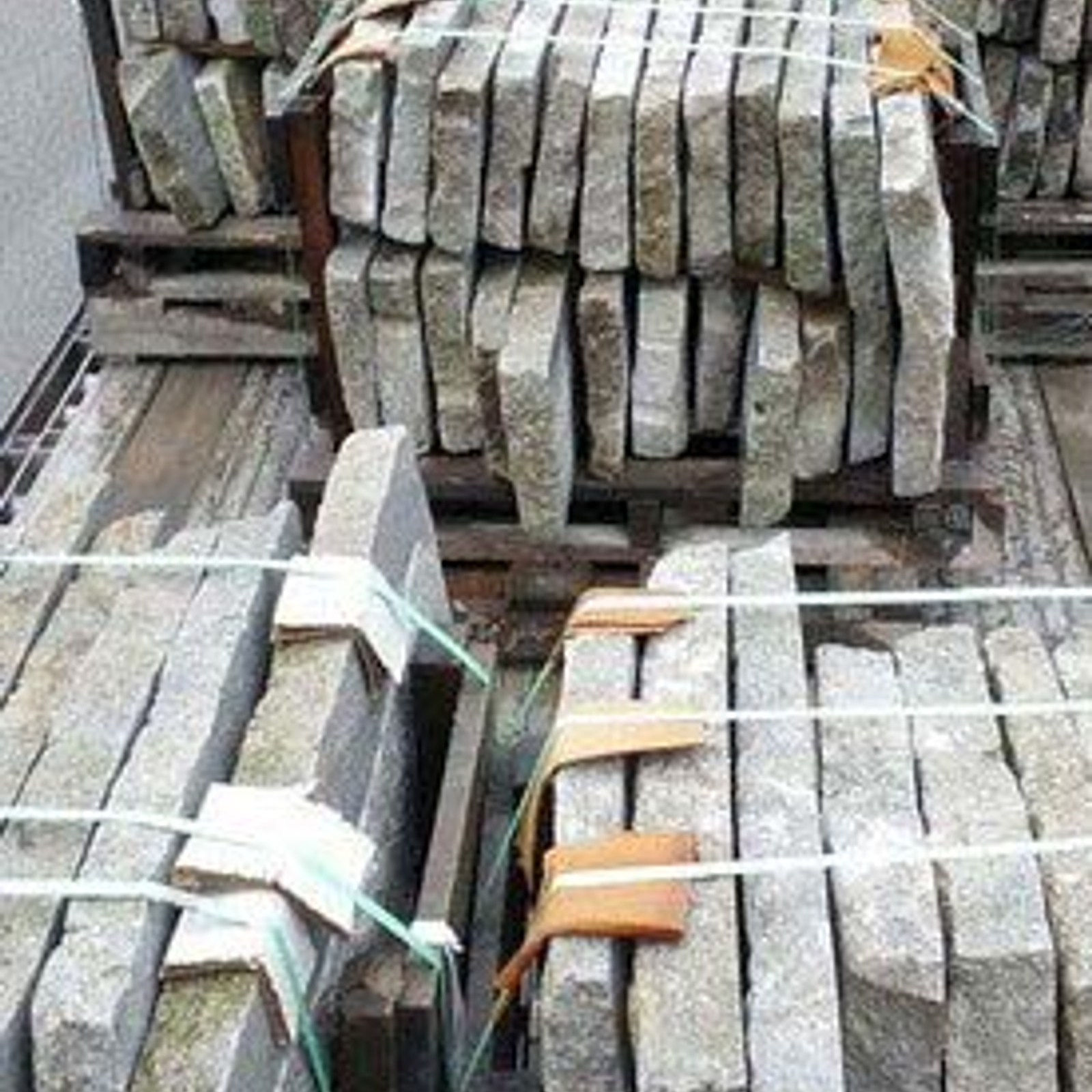
Whether you’re designing a rustic patio, elegant driveway, or distinguished garden walkway, reclaimed stone paving can make all the difference in achieving your desired aesthetic. The weathered, worn surfaces of old sandstone sidewalk, natural clefting inherent in reclaimed bluestone, or bush-hammered texture of granite paving all add a feeling of timelessness and permanence. Stone Farm scours the world to find exceptional antique stone paving options which help customers realize their dream designs.
Learn more about the antique stone paving typically found in the Stone Farm yard by clicking below.

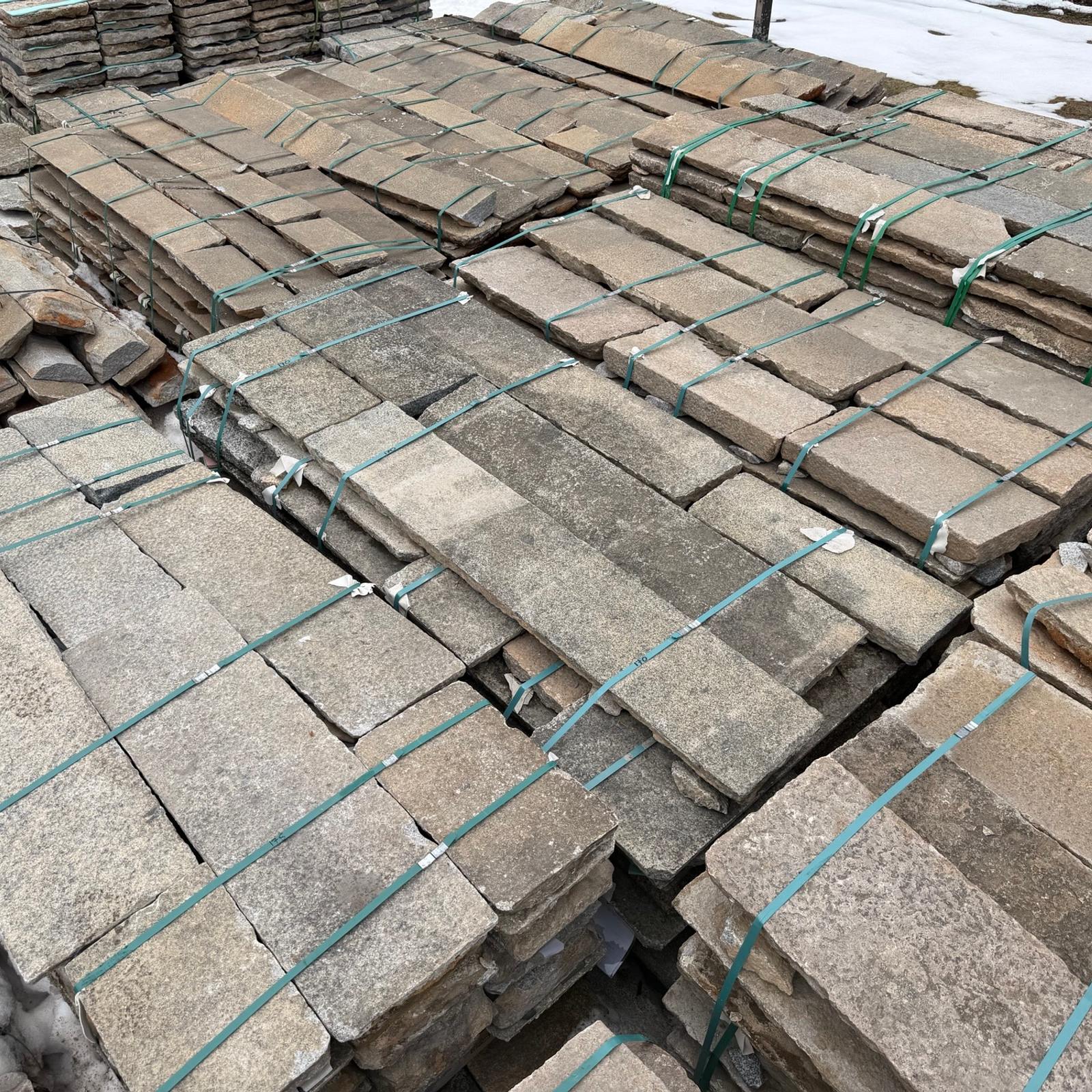
Sturdy, versatile and beautifully aged, our granite planks and squares have grown into our most popular antique stone paving option.
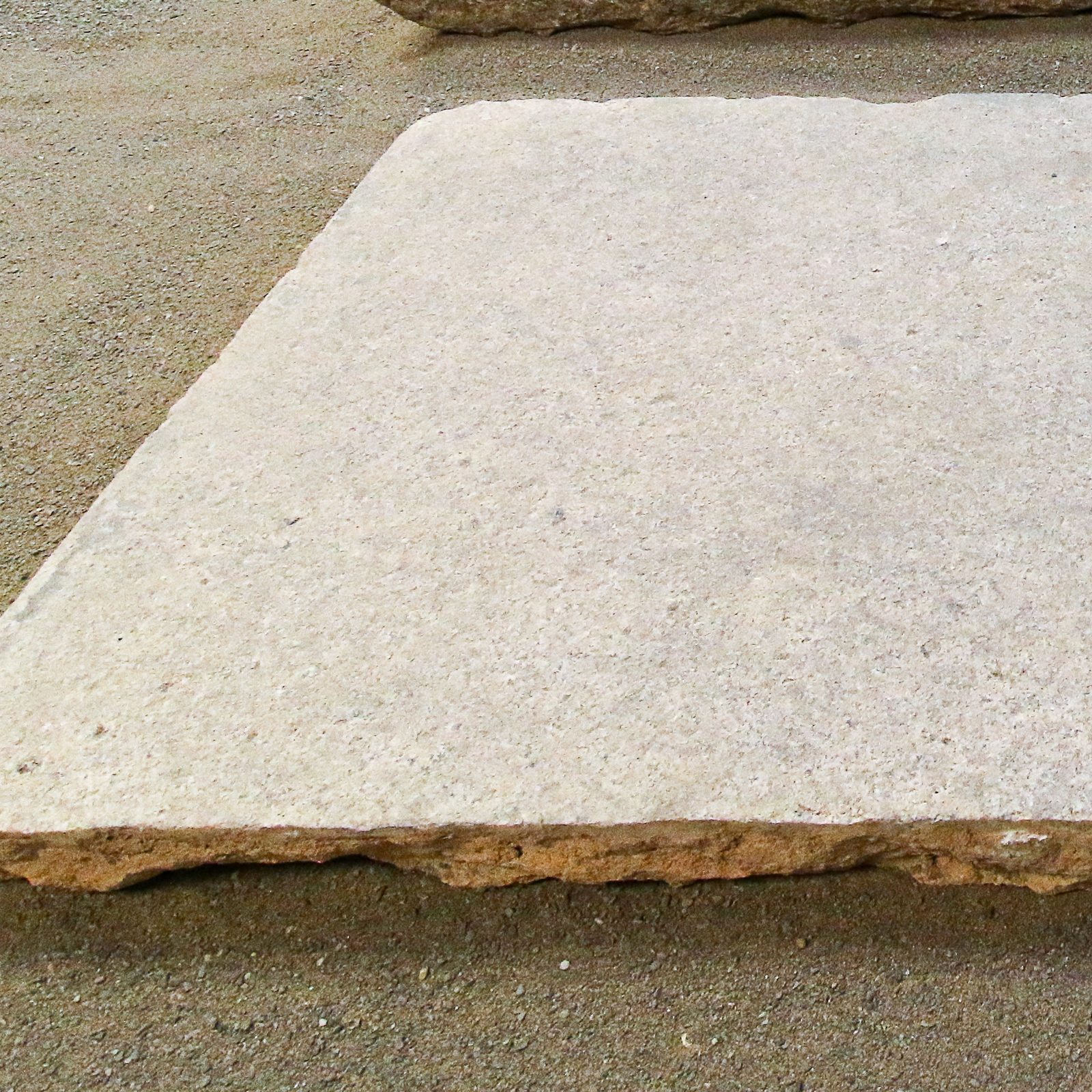
Classic American sidewalks, reclaimed from cities and towns that were built from the stone mined from local quarries.
Dense and durable, vintage brick pavers were made to withstand almost anything nature or man could throw at them.
The size of the joint, or space, between each paver is a key element of design. Desired aesthetic, purpose of the paving area and environmental factors help determine the appropriate joint width.
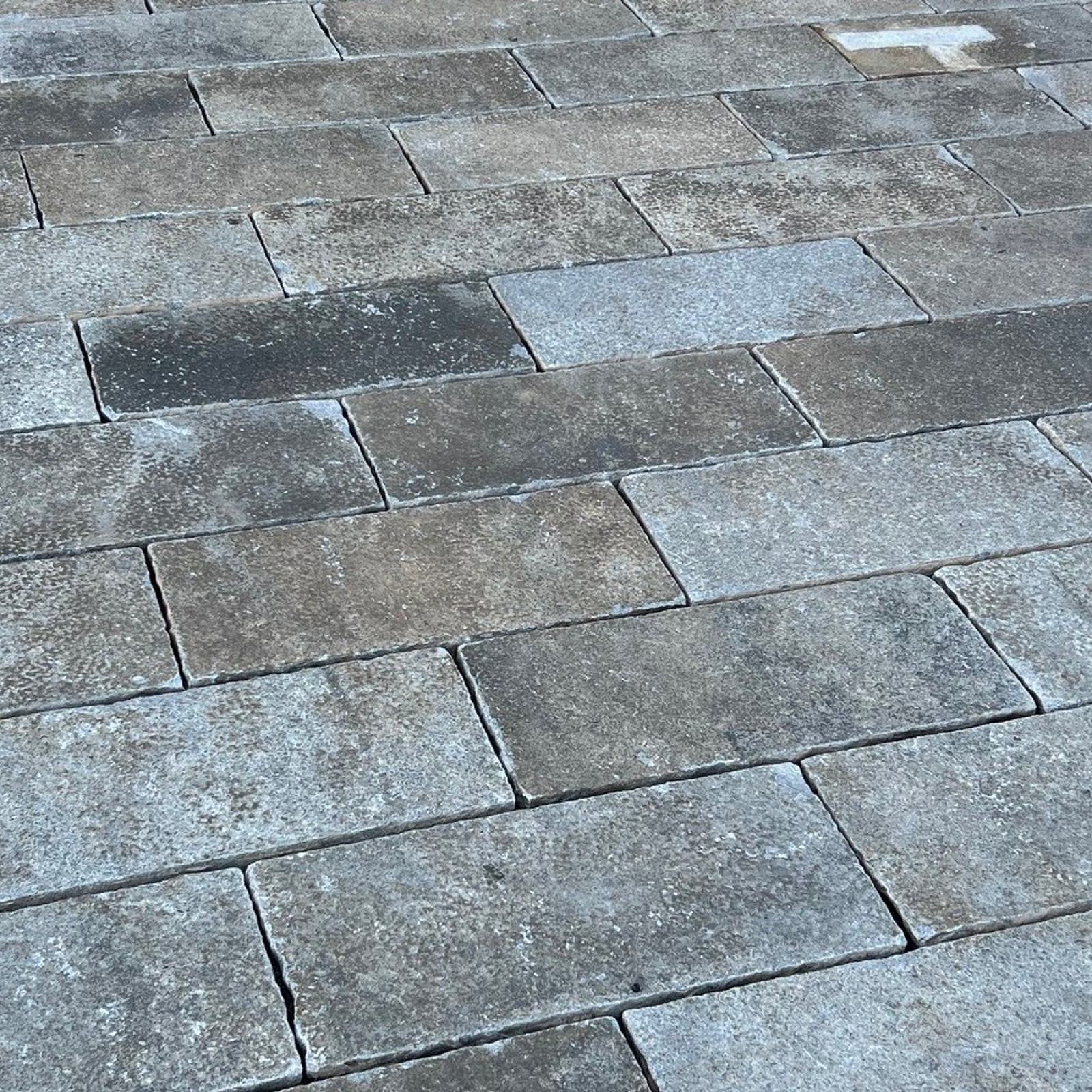
Tight Joints:
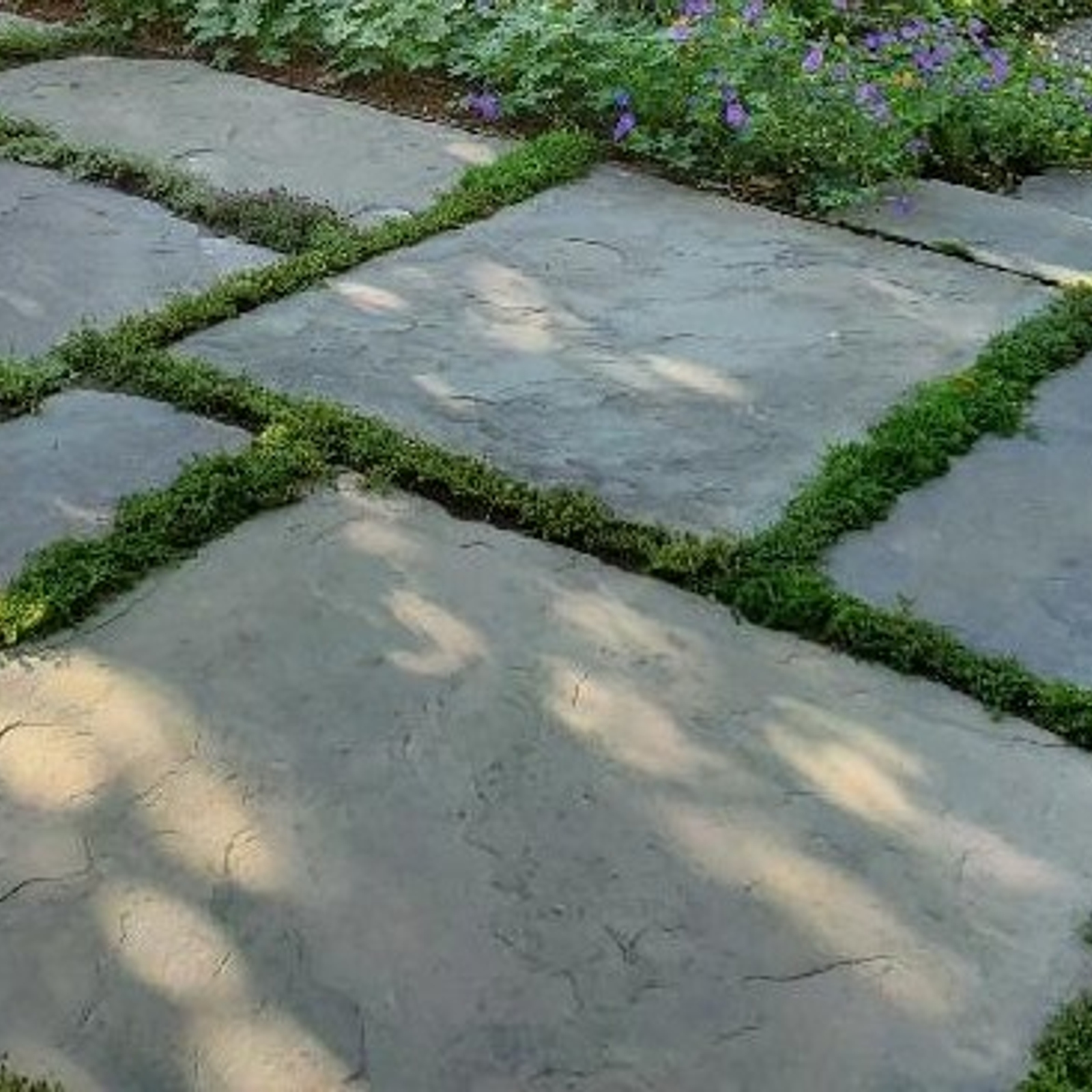
Wide Joints:
At Stone Farm, we define the surfaces of our antique stone paving within the range of rustic (greater surface variation) to refined (a more uniform, consistent surface).
When considering materials for a patio application, functionality should be top of mind. Usually, a more refined surface better suits tables and chairs, chez-lounges, and beverage carts, for example.
On the other hand, the variations which make rustic stone paving so interesting should be fine for walkways, driveways, and firepits.
Oftentimes, antique stone paving will have a beautiful surface or shape, but the thickness might not work for a particular application. Gauged pavers are created by selecting material with great paving surfaces and then cutting them to a desired thickness.
The process is often time-consuming and intricate, but the result is a stone that is lighter in weight, consistent in depth, and easier to install in a bed of mortar.
A common project which calls for gauged stone is pool coping. Reclaimed stone usually doesn’t have the consistent thickness coping requires. And auto cover tracks and housing boxes often have limitations on the weight they can hold, necessitating a thinner stone coping.
Sustainable reuse of antique stone reduces the carbon emissions associated with the production of new material, is consistent with green building initiatives, and can qualify for tax credits.
Unique variations in color, texture and wear create a vintage aesthetic that can’t be duplicated with mass-produced modern products.
Reclaimed cobblestones have already stood the tests of time. Their proven durability makes them a better option than newly fabricated composite pavers.
No – these stones were originally chosen for their durability, and withstood decades upon decades of weather and wear before we reclaimed them. Sealers can also affect the the natural coloring and patinas antique stone develops over time.
Yes – BUT stone thickness must be considered to ensure it can stand up to vehicular weights. We recommend a minimum of 3″ thickness for granite and 4″ for sandstone and bluestone. Also, a properly prepared substrate is essential in order to prevent movement or cracking.

Our team can help you select the perfect stones for driveways, walkways, patios, and landscape designs. Whether you’re restoring historic character or creating something truly unique, we’ll guide you every step of the way.